Imagine pulsating neon graphics illustrating the circadian rhythm syncing with personalized data visualizations. Deep blues and vibrant teals create a calming yet energetic atmosphere. Micro-animations of neural pathways firing as you sleep, interwoven with sleek, futuristic UI elements showcasing biofeedback optimization techniques. This slide promises a transformative visual journey into the science of sleep.
Categories
Generated Notes
Open by framing the promise: we’re going to align biology with behavior to unlock better days through better nights.
Point to the circadian panel: explain the 24-hour rhythm. AM light anchors wakefulness; PM darkness allows melatonin to rise. The moving glow represents zeitgebers guiding your internal clock.
Highlight sleep architecture: four 90-minute cycles. Early cycles are deeper; later cycles favor REM. The goal is consistent timing to let these patterns unfold.
Shift to the Biofeedback Optimizer: three high-leverage dials—light, temperature, HRV. Describe each: reduce blue light before bed, cool the room, use a short breathing protocol to raise HRV and downshift the nervous system.
Close with the 120-second protocol: dim lights, do a quick 4-7-8 breath set, and set a target sleep window. Invite the audience to try it tonight and observe morning energy tomorrow.
Behind the Scenes
How AI generated this slide
Analyze the topic and context to identify key visual elements: circadian rhythm, personalized data, biofeedback, neural pathways, futuristic UI.
Select a dark, calming color palette with blues and teals to create the desired atmosphere.
Design layout with sections for the title, circadian rhythm visualization, sleep architecture diagram, biofeedback optimization meters, and a nightly protocol checklist.
Implement the circadian rhythm visualization using a sine wave to represent the 24-hour cycle and animated elements to showcase dynamic changes.
Create the biofeedback meters using progress bars with different colors and labels for light, temperature, and HRV.
Add micro-animations, such as pulsing dots and moving particles, to enhance the visual appeal and futuristic feel.
Incorporate sleek UI elements and typography to match the modern biohacking theme.
Why this slide works
This slide effectively visualizes the concept of biohacking sleep by combining scientific data representation with an engaging and futuristic aesthetic. The use of animations, color gradients, and clear UI elements creates a dynamic and informative experience. The circadian rhythm chart, biofeedback meters, and sleep architecture diagram present complex data in an accessible and visually appealing way, reinforcing the core message of aligning biology with behavior for better sleep and overall well-being. The inclusion of a concrete action plan, the 120-second protocol, empowers the audience to immediately apply the concepts discussed. Keywords: sleep optimization, biohacking, circadian rhythm, HRV, biofeedback, sleep architecture, visualization, UI design, animation, health and wellness.
Slide Code
You need to be logged in to view the slide code.
Questions
Frequently asked
What is biohacking sleep?+
Biohacking sleep refers to using science and self-experimentation to optimize sleep quality and duration. This can involve tracking sleep patterns, adjusting lifestyle factors like light exposure and temperature, and using technology like biofeedback devices to improve sleep.
What is a circadian rhythm?+
The circadian rhythm is the natural, internal process that regulates the sleep-wake cycle and repeats roughly every 24 hours. It's influenced by environmental cues like light and darkness, and plays a crucial role in overall health and well-being. Keywords: sleep-wake cycle, biological clock, chronobiology.
How can I improve my sleep hygiene?+
Improving sleep hygiene involves adopting healthy sleep habits. This includes establishing a regular sleep schedule, creating a relaxing bedtime routine, optimizing your sleep environment for darkness and cool temperatures, avoiding caffeine and alcohol before bed, and getting regular exercise. Keywords: sleep habits, bedtime routine, sleep environment.
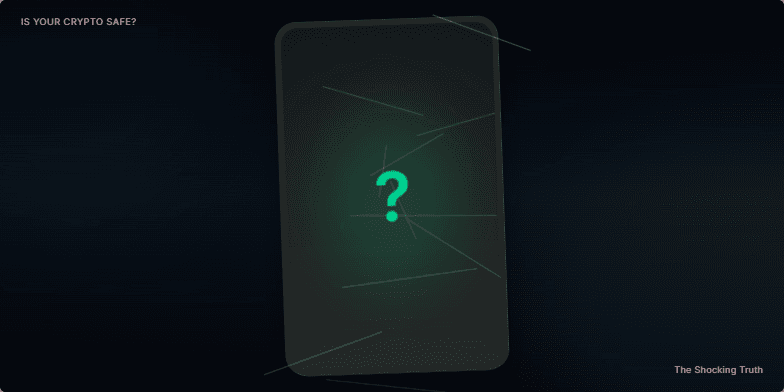
This slide opens with a dramatic zoom on a stylized, cracked phone screen, visually representing vulnerability. Dark, moody colors create a sense of urgency. A single, pulsating neon green question mark hangs in the center, demanding attention. Transition to the next slide features a shattering glass effect, emphasizing the fragility of digital security.
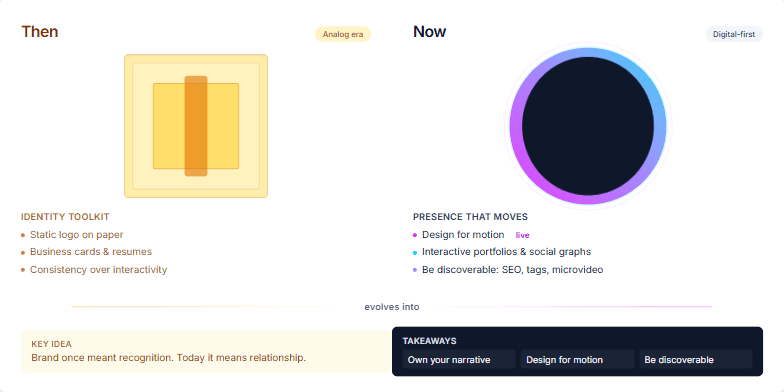
This slide uses a split-screen effect, contrasting a sepia-toned 'then' with a vibrant, neon-infused 'now.' Watch as a simple logo evolves through animated transitions, reflecting the dynamic changes in personal branding. Clean typography and minimalist design highlight key takeaways with subtle glow effects for emphasis. Imagine a morphing logo, transitioning from a static image to a dynamic animated 3D version, symbolizing the shift from traditional to digital presence.
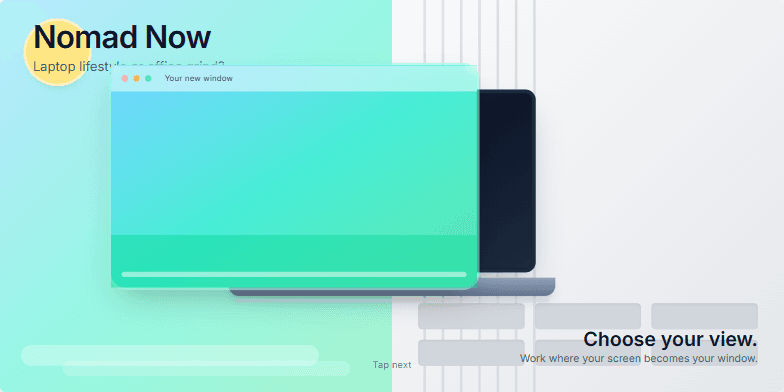
This slide uses a vibrant split-screen effect, contrasting the cool blues and greens of a tropical beach with the stark grays of a corporate office. A subtle animated transition morphs the laptop screen into a window overlooking the ocean, symbolizing the freedom of the digital nomad life. Clean typography and minimalist design highlight the core message: choose your view.
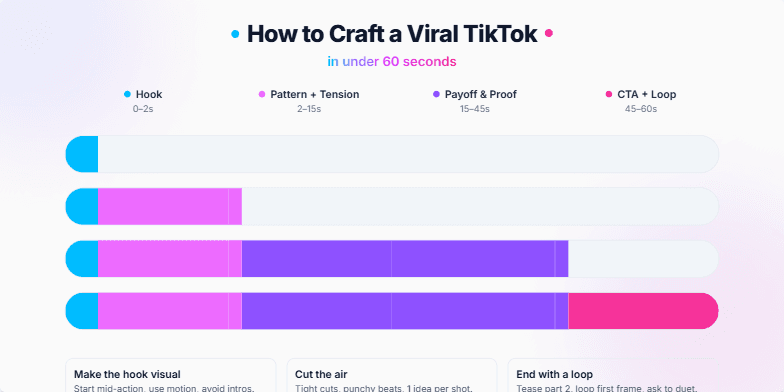
Dive into a vibrant, fast-paced world of neon hues and dynamic transitions. This slide explodes with energy, mimicking the short-form video format itself. Imagine quick cuts, playful animations of bouncing icons, and a bold, modern font that screams 'attention-grabbing.' The background shifts subtly from cool blues to energetic pinks, keeping the viewer engaged with every fleeting second.
Dive into a world of sleek dark mode visuals punctuated by neon code snippets that dance across the screen. Experience the thrill of discovery with subtle glitch effects and the satisfying click of perfectly aligned typography. Each key concept emerges with a smooth, energized animation, making learning addictive. The color palette evokes the mystery of hidden knowledge, with deep blues and vibrant purples creating an exclusive, high-tech atmosphere.
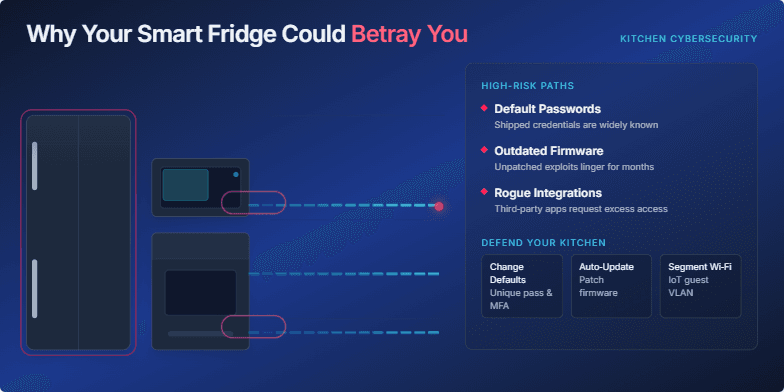
Dark, intriguing visuals of a seemingly normal kitchen transforming into a digital battlefield. Data streams flow from appliances, highlighting vulnerabilities. Neon accents on key threats create a cyberpunk feel. Smooth transitions and subtle glitches emphasize the hidden dangers lurking within our connected homes. Deep blues and blacks contrast with alarming reds to create a sense of urgency.
Want to generate your own slides with AI?
Start creating high-tech, AI-powered presentations with Slidebook.